Mingles: Redefining the Soul of Korean Fine Dining
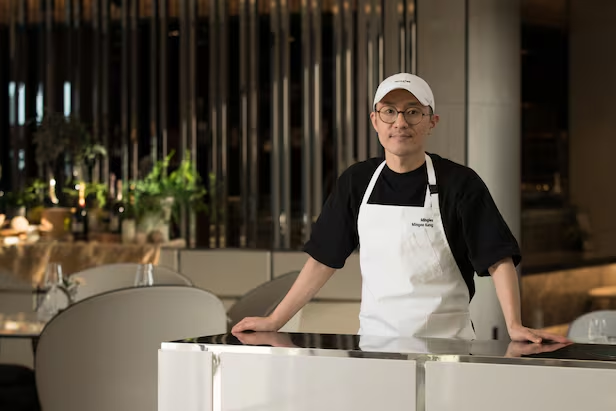
In the heart of Seoul’s sophisticated Gangnam district, a culinary revolution is quietly simmering. Mingles, headed by the visionary Chef Kang Min-goo, has become more than just a restaurant; it is the definitive bridge between Korea’s deep-rooted culinary past and its high-octane gastronomic future. Since its debut in 2014, Mingles has consistently sat at the pinnacle of the “Asia’s 50 Best” lists and maintained its prestigious Michelin-star status, proving that tradition isn’t a museum piece—it’s an ingredient.
The Philosophy: “Mingle” by Name, Fusion by Nature
The name “Mingles” is a literal manifesto. Chef Kang’s goal is to “mingle” contrasting elements: the East and the West, the ancient and the modern, and the humble and the luxurious. While many chefs claim to practice “fusion,” Mingles avoids the clichéd traps of the genre. Instead, it offers a refined evolution of Hansik (traditional Korean cuisine) that respects the integrity of local ingredients while utilizing global techniques learned from Kang’s tenure under masters like Martín Berasategui.
The Secret Ingredient: Time
At the core of the Mingles experience is a mastery of Jang (fermented sauces) and Vinegars. These are the lifeblood of Korean flavor. Chef Kang utilizes his family’s traditional recipes—some ferments aged for years—to provide a depth of “umami” that modern science can’t replicate.
A signature dish that exemplifies this is the “Jang Trio” dessert. It is a daring and brilliant combination of:
- Doenjang (soybean paste) crème brûlée
- Gochujang (chili paste) puffed rice
- Ganjang (soy sauce) pecans
- Vanilla ice cream
This dish captures the essence of the restaurant: taking savory, pungent staples of a Korean grandmother’s pantry and transforming them into a sophisticated, sweet masterpiece.
An Atmosphere of Understated Elegance
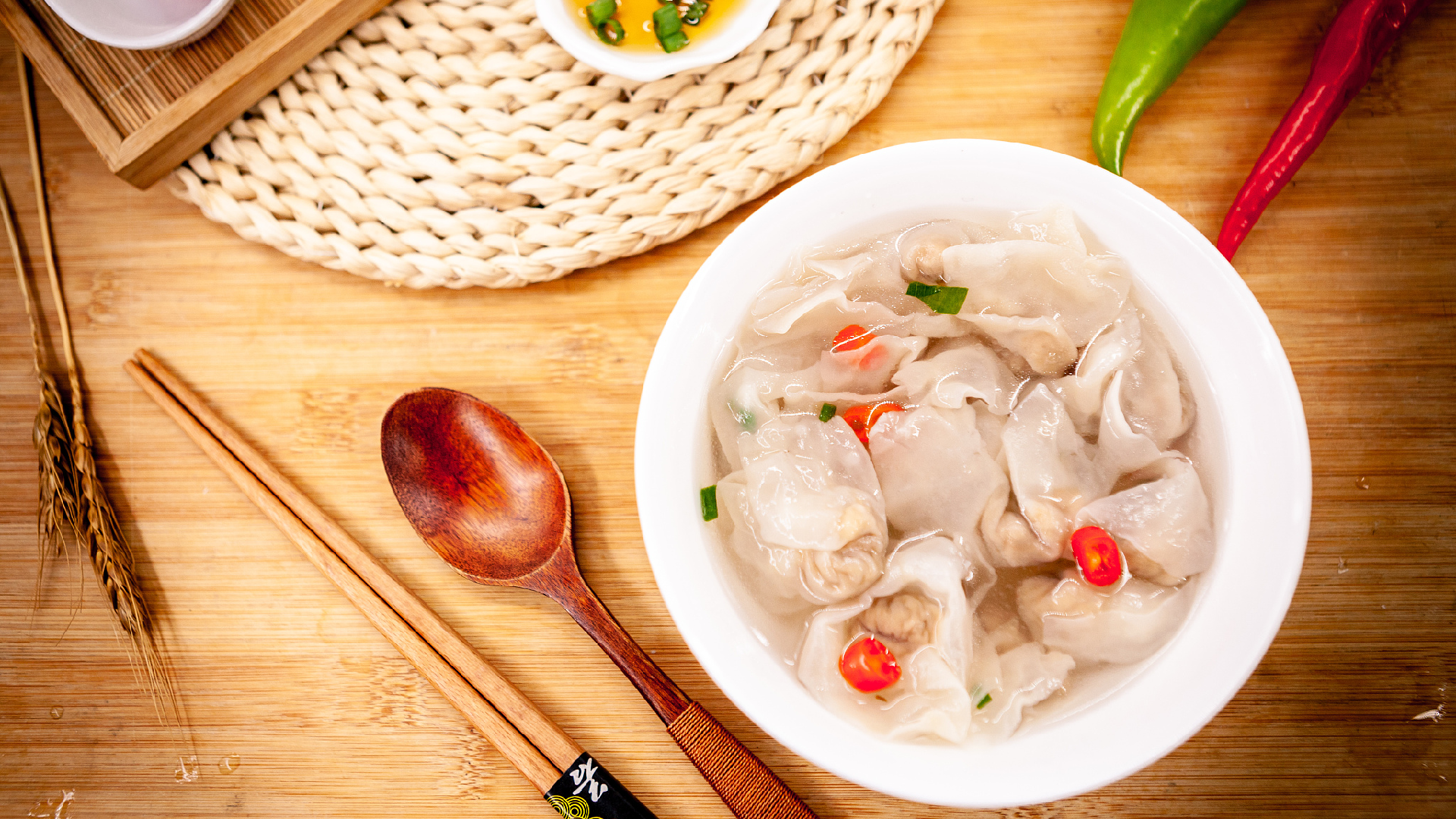
The interior of Mingles mirrors the food—minimalist, organic, and serene. It avoids the stuffiness often associated with fine dining, opting instead for a warm, “New Korean” aesthetic. Natural wood textures and soft lighting allow the vibrant colors of the seasonal tasting menus to take center stage. Whether it is the delicate Mandu (dumplings) or the expertly grilled Hanwoo beef, the presentation is artful without being pretentious.
Why It Matters
Mingles has played a pivotal role in putting Seoul on the global map as a serious culinary capital. It teaches us that Korean new york deli food is not just about barbecue and spice; it is about the nuance of the seasons and the patience of fermentation. For any traveler or food enthusiast seeking to understand the heartbeat of modern Korea, a seat at Mingles is not just a meal—it is a cultural education.